
Stopping Weeds Before They Start: Why Lawn Weed Seeds Are the Real Problem in SA
Author: Stefan Palm Date Posted: 18 November 2025
Learn how to stop lawn weeds returning in South Australia. Discover why weed seeds cause ongoing problems and how pre-emergent herbicides like Spartan prevent Winter Grass, Oxalis, Clover, Crab Grass and Paspalum from germinating.
Should You Read This?
If you’re constantly fighting weeds in your lawn—Winter Grass in winter, Creeping Oxalis and Clover in spring, Crab Grass and Paspalum in summer—this article explains why they keep coming back. Spraying kills the weeds you can see, but not the thousands of seeds waiting in your soil.
This guide shows how pre-emergent herbicides like Spartan work, why they’re so effective in South Australia, and how to integrate them into a simple seasonal plan that breaks the weed cycle for good. If you want a cleaner, easier-to-maintain lawn, this blog is worth the read. 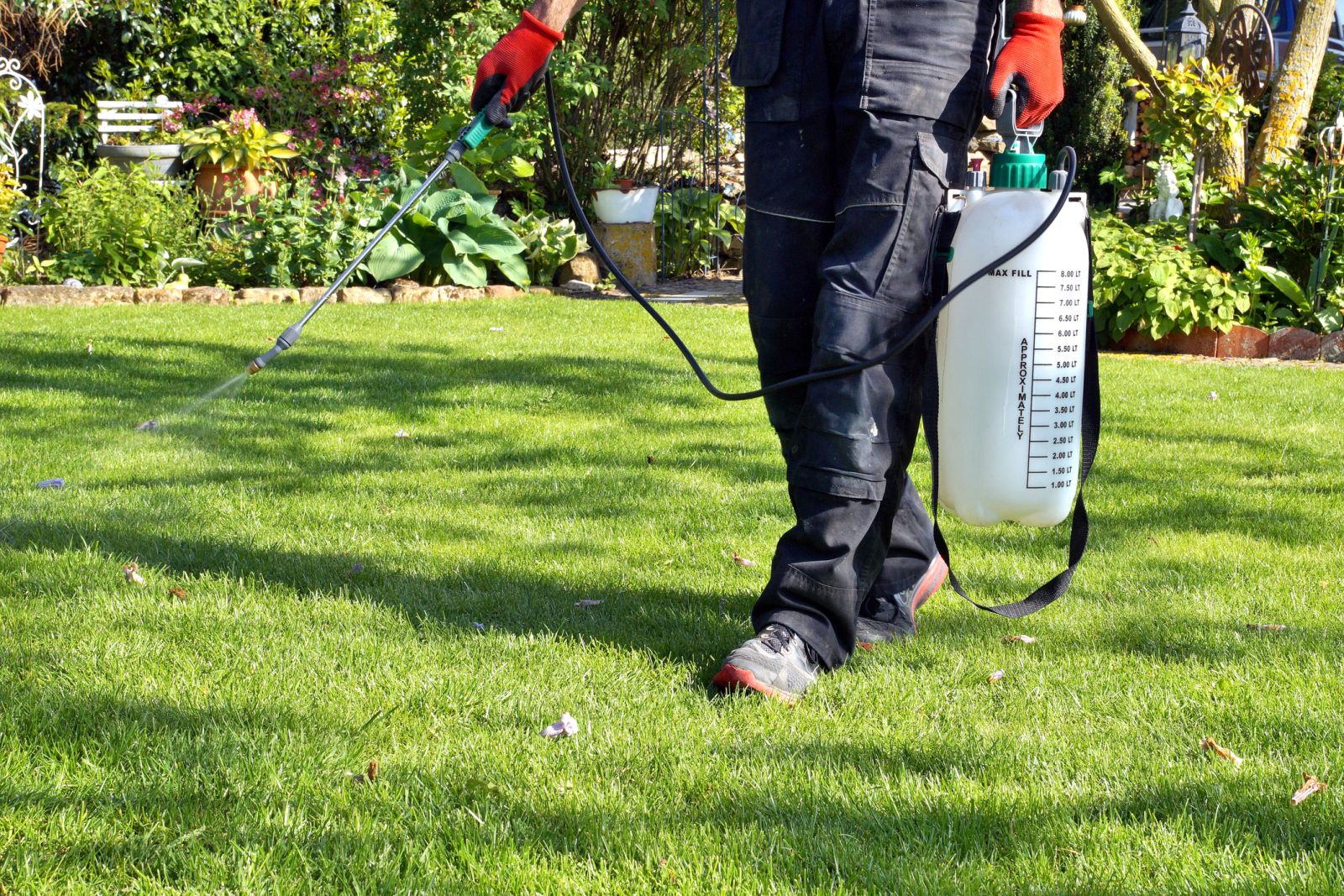
Most people assume that keeping weeds out of their lawn is all about spraying what they can see. When Winter Grass pops up or Creeping Oxalis starts creeping through the turf, the natural response is to reach for a selective herbicide. Those products certainly work—but many South Australians are left frustrated when the weeds return almost immediately. It often feels like the spray hasn’t done anything.
In reality, the weed you can see is only half the issue. The real battle is happening at soil level, where thousands of tiny seeds are waiting to germinate. Until this seed bank is addressed, new weeds will continue to appear, no matter how often you spray.
The Seed Problem Most People Don’t See
South Australia’s climate and conditions make ongoing weed reinfestation almost inevitable. The combination of warm summers, mild winters, frequent wind, and exposed verges means your lawn is constantly receiving new seed—even if you remove every living weed inside your own fence line.
This becomes obvious with prolific seeders like Winter Grass, but the same problem affects Creeping Oxalis, Clover, Medic, Thistles, Crab Grass, Paspalum and just about any other weed that invades lawns. After you treat the visible weeds, the next generation may already be germinating. That’s why lawns often look worse a few weeks after treatment: the herbicide worked, but the soil was full of fresh seed waiting for the right conditions.
This cycle can be disheartening for homeowners. They’ve done everything right, yet the weeds keep returning. Without targeting the seed bank, visible weed control rarely produces long-term results.
Why Pre-Emergent Herbicides Matter
Pre-emergent herbicides, such as Spartan (prodiamine), are designed to stop this cycle. While selective herbicides kill the weeds you can already see, pre-emergents target the weeds you can’t—the ones still in the process of germination.
These products create an invisible protective layer in the soil. When a weed seed begins to sprout, the pre-emergent stops its root development and prevents it from becoming a mature plant. The seed is still present, but it can no longer grow.
This approach is especially valuable for weeds that are notoriously difficult to control once established. Creeping Oxalis is a good example; you might successfully kill the existing plants, but without a pre-emergent, its seed quickly repopulates the lawn. The same applies to Crab Grass and Summer Grass in the warmer months, and to Winter Grass during autumn and winter.
How Spartan Works on Lawns
Spartan is safe for all established lawns commonly grown in South Australia—(Couch, Kikuyu and Buffalo). It doesn’t harm the lawn’s root system or prevent grass growth. Instead, it affects only tiny germinating weed seeds, which makes it both powerful and gentle at the same time.
To work effectively, Spartan needs to be applied to a lawn that already has a solid root system. It is then watered in—either with irrigation or rainfall—so it can settle into the top layer of the soil. Once in place, the soil should remain relatively undisturbed. Heavy dethatching or deep aeration after application can break the protective layer and reduce its effectiveness.
When applied correctly, Spartan continues working for months, quietly preventing repeated weed outbreaks. This is why many customers who add a pre-emergent to their program see a dramatic change: the constant battle of “spray, wait, and watch weeds come back” finally stops.
How to Integrate Pre-Emergent Herbicides Into Your Weed Control Efforts
Pre-emergents work best when they’re part of a broader, planned approach—not a one-off fix. The first step is always to deal with the weeds that are already growing. For most broadleaf weeds in South Australia—Creeping Oxalis, Clover, Medic and thistles—products such as Bow & Arrow remain the most effective way to knock down the existing infestation. These herbicides target the living plants, clearing the visible problem and creating a more stable foundation for your next steps.
Once the living weeds have been controlled, the key is to prevent the next wave of seeds from getting established. This is where Spartan becomes an essential part of the program. Rather than applying it once a year, the most effective strategy is to apply it four times across a full 12-month period, roughly 12 weeks apart—essentially once per season. Each application renews the protective layer in the soil just as a new group of seasonal weeds begins to germinate. Autumn weeds, Winter weeds, Spring weeds and Summer weeds all arrive on different schedules, and this seasonal rhythm is exactly what the four-application program is designed to intercept.
By maintaining this consistent barrier for a full year, your lawn is protected from the major germination windows of Winter Grass, Oxalis, Clover, Medic, Crab Grass, Paspalum, Crowsfoot and other seasonal weeds. The visible weeds have already been dealt with; Spartan then ensures that the seeds those weeds left behind don’t have the opportunity to return. After a year on this program, most lawns become noticeably cleaner and much easier to maintain.
You’ll still see the occasional weed—it’s impossible to eliminate every seed that blows in from verges, neighbours or public spaces—but when they do appear, they’re usually isolated and easy to hand-remove. The difference is that instead of fighting a constant influx of new germination, you’re simply tidying up the odd stray weed here and there. For many homeowners, this integrated approach finally delivers the clean, stable, low-maintenance lawn they’ve been trying to achieve for years.
Breaking the Cycle: A Real-World Example
A typical scenario for homeowners involves treating Winter Grass. They spray the visible patches, watch them yellow off and die, and feel satisfied—until two or three weeks later, new bright green seedlings appear everywhere.
It’s not that the herbicide failed; it succeeded. But the soil was full of Winter Grass seeds ready to germinate. Without a pre-emergent in place, the cycle repeats throughout the season.
When a pre-emergent like Spartan is used at the beginning of the season, the existing weeds still die, but the follow-up flush never arrives. The barrier in the soil stops the next round of seeds from growing, and the lawn stays clean for months.
Is It Worth It?
Spartan costs more than standard selective herbicides, and that’s often a sticking point. But once people understand what it prevents, the value becomes obvious. Selective herbicides only ever deal with the visible problem. Pre-emergents stop the next five rounds of weeds from ever appearing.
For people living next to parks, school ovals, council verges, unmaintained lawns or vacant land, the difference is enormous. Instead of an endless cycle of treatment and frustration, the lawn finally stabilises.
In Summary
Killing visible weeds is only half the solution. The seed bank in the soil is what brings weeds back season after season, especially in South Australia’s climate. Pre-emergent herbicides like Spartan prevent these seeds from germinating and give homeowners a realistic way to achieve long-term weed control. When paired with selective treatments for existing weeds, pre-emergents break the cycle completely and allow your lawn to stay clean, tidy and healthy without constant reinfestation.
FAQs
Why do weeds keep coming back even after I spray them?
Because spraying only kills the weeds you can see. The soil is often full of weed seeds waiting for the right conditions to germinate.
What does a pre-emergent herbicide actually do?
It creates a protective layer in the soil that stops weed seeds from developing roots and shoots, preventing them from becoming mature weeds.
Will Spartan harm my lawn?
No. It’s safe for all established lawn varieties in South Australia.
Do I still need to spray existing weeds?
Yes. Pre-emergents do not kill existing weeds—selective herbicides like Bow & Arrow do.
How often should I apply Spartan?
For best results, apply four times a year, around 12 weeks apart.
Will this program eliminate all weeds?
Not entirely, but it will drastically reduce them. Any remaining weeds are usually easy to hand-remove.
Can I use Spartan on a newly seeded or newly laid lawn?
Only use it on established lawns with a developed root system.
Is this program expensive?
It costs more initially but prevents multiple rounds of weeds from ever emerging, saving time and frustration in the long run.
Comments (1)
Spartan on RTF and seeded lawn
By: Jamie on 22 November 2025In the attached article you have mentioned all SA lawns are fine if Spartan is applied and specified Couch Kikuyu and Buffalo but how about Rhizomatous Tall Fescue and other general 'seeded' lawns containing the usual ryegrass ,fescues etc . Would hate to apply this product and see these other specie's of established lawns go backwards .
Paul Munns Instant Lawn Response
Hi Jamie. The Spartan label is not specific on whether you can or can't use it on Tall fescue varieties. I would recommend that you contact the manufacturer (Turf Culture ) on 1300 118873 for clarification.



