
How to Treat and Prevent Moss in Your Lawn
Author: Stefan Palm Date Posted: 25 June 2026
Moss invading your lawn this winter? Learn why moss thrives in cold, wet, shady conditions, how it spreads, and the best ways to prevent and remove it—without damaging your grass. Expert tips from Paul Munns Instant Lawn.
Summary:
Have you spotted moss creeping through your lawn recently? You’re not alone. Adelaide’s winter rain, cooler temperatures and cloudy skies create ideal conditions for moss to grow.
While moss might look harmless at first, it can gradually spread through thin or patchy areas of lawn. The good news is that moss can be treated, and taking care of the conditions that caused it can help prevent it from returning.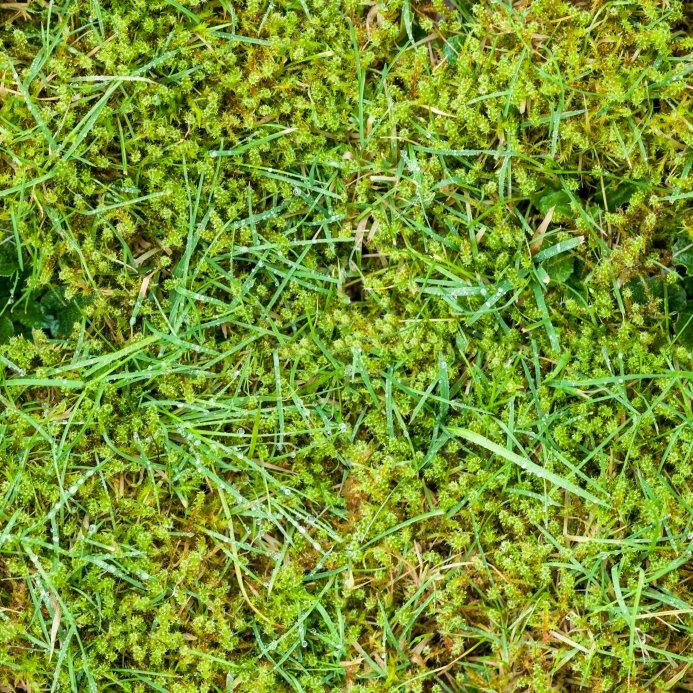
In this blog, we explain why moss appears during winter, how it spreads and what you can do to manage it without harming your lawn.
Why Moss Appears in Winter Lawns
Moss thrives in the same conditions that most lawns struggle with: cold temperatures, excess moisture and limited sunlight. These conditions are common across South Australia during winter.
Heavy shade from buildings or trees can prevent the soil and lawn from drying properly. Poor drainage, compacted soil and lingering surface moisture can make the problem worse. Moss may also appear where the soil is acidic, low in nutrients or unable to support thick, healthy lawn growth.
Warm-season grasses such as Buffalo, Kikuyu and Couch naturally slow down during winter. As their growth reduces, moss faces less competition and can spread more easily through weak, thin or dormant areas.
How Moss Spreads Through a Lawn
Moss can spread in several ways. It uses small, hair-like structures called rhizoids to attach itself to the soil and gradually creep across the lawn.
It also reproduces through tiny airborne spores, which can settle and grow in damp, shady areas. Small fragments of moss can break away and establish themselves elsewhere, particularly after mowing, raking or regular foot traffic.
This ability to spread in different ways is one of the reasons moss can become persistent when the underlying conditions are not addressed.
Why Moss Becomes Worse in Winter
During winter, warm-season lawns grow very slowly and may become partially dormant. This gives moss an opportunity to spread without having to compete with actively growing grass.
Winter rainfall can also leave poorly drained or compacted soil wet for extended periods. At the same time, the sun sits lower in the sky, which means shaded areas may receive even less direct sunlight than they do during the warmer months.
Together, slow lawn growth, excess moisture and extended shade create ideal conditions for moss.
How to Prevent Moss from Taking Over
A small patch of moss is not usually a major concern, but it is worth acting before it spreads through a larger section of the lawn. The most effective long-term solution is to improve the conditions in which your lawn is growing.
Start by checking the drainage. Aerating compacted soil can help water and air move through the soil profile. Gypsum may also help improve the structure of some heavy clay soils, although it will not correct every drainage problem.
Where possible, reduce shade by pruning trees or raising their canopies to allow more sunlight and airflow onto the lawn. If the area will always be shaded, consider whether the existing lawn variety is suitable. Buffalo generally has better shade tolerance than many Couch or Kikuyu varieties, but every lawn still needs some direct sunlight to remain healthy.
Feeding your lawn during autumn can also help it develop stronger, denser growth before winter. A thick lawn leaves less exposed soil for moss to occupy.
It can also be useful to test the soil pH. Moss is often associated with acidic soil, but its presence does not automatically mean the pH is too low. Test the soil before applying garden lime, and only adjust the pH if the results show that it is necessary. Most lawn varieties prefer a soil pH of approximately 6.0 to 7.0.
How to Treat a Lawn Affected by Moss
If moss has already become established, there are several ways to manage it.
Wet & Forget
Wet & Forget is a simple liquid treatment that can be sprayed onto affected areas and left to work gradually over time. Always check the product label carefully to confirm that it is suitable for the lawn variety and area you intend to treat.
Iron Sulphate and Gypsum
Another treatment option is a blend of iron sulphate and gypsum. Apply 30 grams of iron sulphate and 70 grams of gypsum per square metre to a dry lawn. Leave it for approximately 12 hours before watering it in.
The iron sulphate helps kill the moss and can also improve the colour of the lawn, while the gypsum may assist with the structure of some clay soils.
Take care when applying iron sulphate near paths, pavers and driveways, as it can cause staining. The moss should begin to blacken and die within about seven days. Once it is dead, rake it out of the lawn.
Physical Removal
Small areas of moss can also be removed using a rake or dethatching tool. This is generally most effective after the moss has been treated and has started to die.
Removing the moss alone may provide a temporary improvement, but it is likely to return unless you also address the shade, moisture, drainage or soil conditions that allowed it to grow.
Need Help With Moss in Your Lawn?
If moss keeps returning or you’re unsure which treatment is suitable, contact the Paul Munns Instant Lawn team on 8298 0555 or email info@paulmunnsinstantlawn.com.au.
We can help you identify the likely cause and recommend the most practical way to improve your lawn.
FAQ's
What do you do if your lawn is full of moss?
Lawns and moss are not good friends; in fact, moss can successfully take over a lawn. If you notice moss in your lawn:
- Spray the affected areas with a product such as Wet and Forget (Blue Liquid)
- Once the moss has died, remove it with a rake
How to get rid of moss and algae in a lawn?
Lawns and moss are not good friends; in fact, moss can successfully take over a lawn. If you notice moss in your lawn, you’ll need to treat it with a product called Wet and forget (Blue liquid). Once it has died, rake the dead moss out of your lawn.
Will grass grow back after moss?
Most types of lawns (couch, kikuyu and buffalo) will recover after moss. Once you have killed and removed it from the lawn, the lawn won't have competition from the moss anymore and will be able to spread back into the bare areas left behind.
What will kill moss but not grass?
The best product on the market that will kill moss but not grass is called Wet and Forget (Blue liquid). Supplied in a concentrate, you mix it up with water and spray it on, usually taking two to three weeks to do its job.
What is the difference between moss and algae in grass?
In lawns, moss thrives in shady, moist areas with compacted soil, forming dense, green carpets. Algae, often appearing as green scum, occur in overly wet, compacted, or poorly drained areas. Both indicate suboptimal growing conditions but have different appearances.



