
Winter Grass Still Growing in Spring? Poa Annua Control for Adelaide Lawns
Author: Stefan Palm Date Posted: 25 September 2024
Winter grass still growing in Spring can frustrate Adelaide lawn owners as temperatures warm. Before using a spray, understand why it lingers and which pre-emergent for winter grass can stop it returning next year.
Winter grass (otherwise known as Poa Annua or Annual Bluegrass) is that annoying light green coloured grass that often comes up in your lawn during winter - It's an annual weed, meaning it only lives for a short time and only comes up at a certain time of the year. The season for winter grass is typically from mid-April through to September.
Why Does Winter Grass Linger Into Spring?
By late September, most people are fed up with it, having endured it all Winter. It's been a big season for Winter Grass this year, with many reports suggesting that it's lingering longer than usual. The reason for this is all to do with the weather, specifically soil temperature. We haven’t had a run of warm weather yet and so s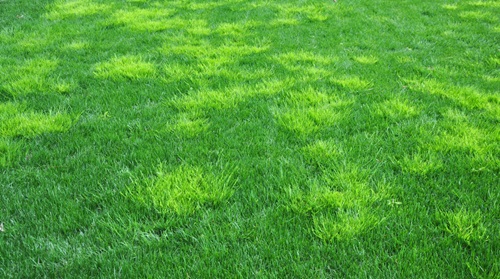 oil temperatures aren’t rising particularly quickly (averaging around the 14-degree mark), which is still within the tolerable limits for Winter Grass. With this in mind, it is likely that our little friends will hang around into October before succumbing to the arrival of the Spring warm weather.
Is It Winter Grass, or a Different Winter Weed?
Before you treat what you're seeing as winter grass, it's worth double-checking what it is. A few other common Adelaide winter weeds can look similar at a glance, and Poa Annua control needs a different approach to broadleaf weeds.
Winter grass has soft, light green, tufted blades with a boat-shaped leaf tip and small white seed heads sitting low in the turf. Clover, by contrast, has broader trifoliate leaves and spreads via runners, while creeping oxalis has distinctive clover-like leaves with small yellow flowers. Chickweed has small, dark green, slightly hairy leaves and tends to form a low mat.
This matters because the products used to treat winter grass are different from those used on broadleaf weeds like clover and oxalis - treating the wrong weed with the wrong product wastes time and money and won't solve the problem. If you're not sure which weed you're dealing with, bring a sample or a photo in and we can help you identify it. Once you've confirmed it's winter grass, here's what you can actually do about it.
How to Stop Winter Grass Coming Back Next Year
The best, but probably unpalatable answer to this question is – nothing! (for now). I mentioned earlier that Poa was an annual weed. There will come a time very shortly when rising soil temperature alone will dispatch any Winter Grass remaining in your lawn. I’d say that by the end of October, it will be all but gone. While there are some residential post-emergent selective herbicides that you can use to treat Poa Annua, they take a fair amount of time to work – up to six weeks in some cases, meaning that the inevitable arrival of warmer weather will do the job before any application of chemicals will.
The secret about how to ensure that it doesn’t come back is what you do next. Anybody who’s experienced Poa Annua in their lawn will know that at the end of each winter, it leaves behind a significant amount of seed in the soil, ready for germination next Autumn when the cycle starts again. In this way, it tends to get worse each year. If you want to stop it from returning, you’ll need to apply a pre-emergent herbicide called Spartan in February.
Pre-emergent control works on the principle that you control the weed's seeds before they germinate, therefore preventing the weed from taking its annual foothold.
Spartan only stops seeds from germinating (it doesn’t kill living weeds) and remains active in the soil for up to 16 weeks. For this reason, the timing of your applications is critical. The best time to apply is February, and then again in June. This way, you’ll prevent seed germinating in the lead-up to and all the way through Winter.
If you've been battling Winter Grass for a few seasons, try Spartan. this coming Autumn. It’s an absolute weapon against winter grass!
Frequently Asked Questions
Is Winter Grass harmful to my lawn, or just unsightly?
Winter Grass is mostly a cosmetic and competitive problem rather than one that directly damages your turf. Its lighter green, tufted growth stands out against couch, kikuyu and buffalo, and because it's most vigorous while your lawn is dormant, it competes for light, water and nutrients with little resistance.
Can I just mow the Winter Grass out instead of using chemicals?
Mowing will reduce its visibility and stop it from setting new seed if done before flowering, but it won't remove existing plants or the seed bank already in the soil. For longer-term prevention, a correctly timed pre-emergent herbicide can help prevent Winter Grass seeds from germinating the following season.
What's the difference between pre-emergent and post-emergent control for Winter Grass?
Pre-emergent herbicides like Spartan work in the soil to stop seeds from germinating in the first place and need to be applied before Winter Grass appears. Post-emergent herbicides treat plants that have already emerged, but can take up to six weeks to work, by which time warmer Spring weather may kill the weed naturally anyway.
When exactly should I apply Spartan for the best results?
For most Adelaide lawns, the best results come from two applications: one in February and a follow-up in June. This timing targets Winter Grass seeds before they germinate in Autumn and reinforces protection heading into the coldest part of Winter, since Spartan remains active in the soil for up to 16 weeks.



