
The effects of frost on lawn
Author: Stefan Palm Date Posted: 25 June 2026
Learn how frost affects lawns in South Australia, why warm-season grasses like buffalo, couch and kikuyu lose colour in winter, and what you can do to reduce frost damage.
Summary
Frost is one of the main reasons lawns lose colour during winter, especially in colder parts of South Australia. While it can make your lawn look brown, purple or patchy, frost damage is usually cosmetic and temporary.
Warm-season grasses such as couch, kikuyu and buffalo are more likely to lose colour after frost because they slow down or go dormant in cold weather. Cool-season grasses like ryegrass and tall fescue are much better at staying green through winter.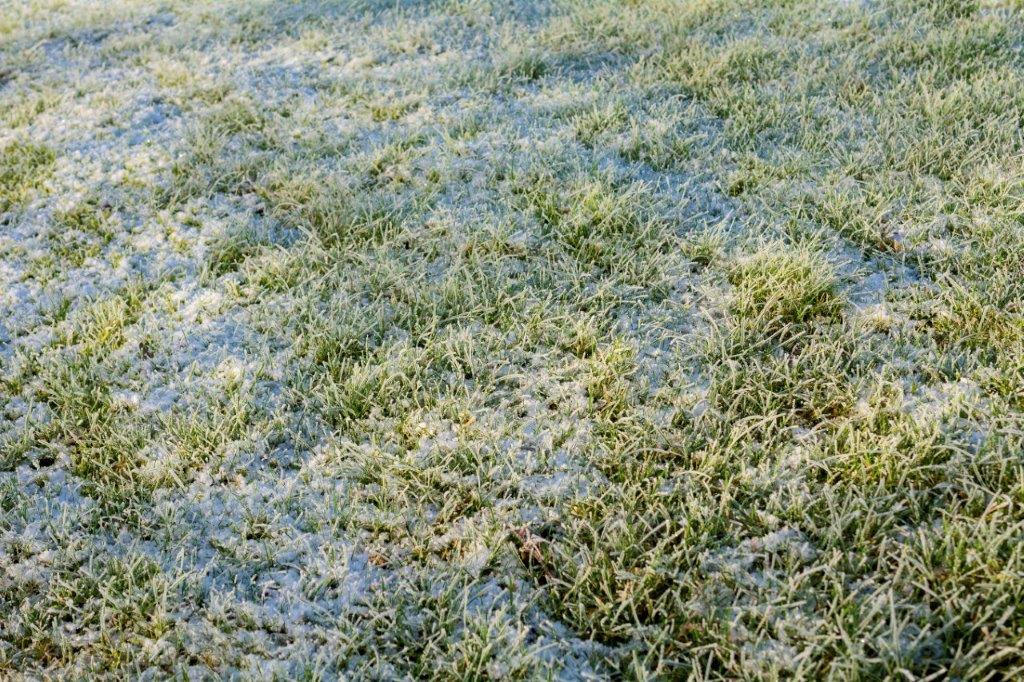
The good news is that frost generally will not kill your lawn. With the right care, your lawn should recover naturally once the weather warms up in spring.
Why Does Frost Affect Lawn Colour?
It has been a beautiful week, with plenty of lovely sunshine during the day. However, the clear nights have also brought some of the first frosts of the season.
Frost is one of the major contributors to colour loss in lawns during winter. As autumn turns into winter, it is common for some lawn varieties to lose colour. This can range from slight discolouration through to almost complete browning.
The main reason for this is cold weather. The colder the conditions, the more noticeable the colour loss can be. Frost forms when dew freezes, usually in the early hours of the morning. As the dew freezes on the lawn, it can freeze the grass blades as well. This damages the leaf tissue and causes the lawn to lose colour.
Which Lawn Types Are Most Affected by Frost?
In Australia, most lawns fall into two broad categories: cool-season grasses and warm-season grasses.
Cool-season grasses include ryegrass and tall fescue. These grasses are very good at staying green through winter, even in cold conditions. They naturally grow best during autumn, winter and spring, so the cooler months are when they are in their element.
Warm-season grasses include couch, kikuyu and buffalo. These are the most common lawn types in South Australia, but they are also more likely to lose colour when frosted.
When temperatures consistently fall below the mid-teens, warm-season lawns slow down and begin to enter dormancy. Dormancy does not mean the lawn is dead. It simply means the lawn has stopped actively growing until conditions improve.
The amount of winter discolouration depends on several factors, but temperature is the biggest one. When warm-season grasses are exposed to frost, the leaf tissue can freeze. This damages the cells in the grass blade, which leads to browning or discolouration.
Some warm-season lawns may also develop a purple tone during winter. This is caused by natural pigments called anthocyanins, which can become more visible when the lawn is under cold stress or in dormancy. This is especially noticeable in some couch and buffalo lawns, where the runners or leaf blades can take on a deep purple colour.
Will Frost Kill My Lawn?
In most South Australian home lawns, frost will not kill your lawn. It may make the lawn look tired, brown, purple or patchy, but the effect is usually cosmetic.
Once winter passes and spring arrives, warm-season lawns begin to wake up from dormancy. As temperatures rise, the lawn starts growing again and produces new leaf. This new growth gradually replaces the frost-burnt blades, and the lawn’s colour improves naturally.
So, while frost can make a lawn look ordinary for a while, it is usually not something to panic about.
What Can You Do to Reduce Frost Damage?
There are a few simple things you can do to reduce the impact of frost on your lawn.
One of the best steps is to fertilise in autumn with a high-potassium mineral fertiliser, such as Emerald Green. This will not completely stop winter discolouration, but it can improve the lawn’s cold tolerance and help it recover more strongly in spring.
Another option is to water the frost off the lawn early in the morning. If you see frost sitting on the grass just after dawn, a light watering can help melt it quickly. This reduces the amount of time the grass blades remain frozen, which may lessen the colour damage.
If you have an automatic irrigation system, you can set it to run for a few minutes early in the morning when frost is forecast. The goal is not to deeply water the lawn, but simply to melt the frost from the leaf.
It is also best to avoid walking on frosted grass. Frozen grass blades are more brittle and can be damaged more easily under foot traffic.
Should You Be Worried About Frost on Your Lawn?
In most cases, no. Frost can certainly affect the appearance of your lawn, but it is normally a temporary winter issue.
If your lawn loses colour during winter, especially if it is couch, kikuyu or buffalo, it is likely reacting to cold temperatures and frost. As long as the lawn was healthy going into winter, it should recover when warmer weather returns.
If you need help managing your lawn through winter, call Paul Munns Instant Lawn on 8298 0555 or email info@paulmunnsinstantlawn.com.au.
FAQ
Why has my lawn turned brown after frost?
Your lawn may have turned brown because the frost froze the grass blades and damaged the leaf tissue. This is most common in warm-season grasses such as couch, kikuyu and buffalo during winter.
Is my lawn dead if it turns brown in winter?
Not usually. Warm-season lawns often go dormant in winter, which means they stop growing and may lose colour. This is different from being dead. In most cases, the lawn will green up again in spring.
Which lawn types handle frost best?
Cool-season grasses such as ryegrass and tall fescue handle frost much better than warm-season grasses. They are naturally better suited to cooler weather and usually stay greener through winter.
Can I stop frost from damaging my lawn?
You may not be able to stop frost completely, but you can reduce its impact. Autumn fertilising with a high-potassium fertiliser can improve cold tolerance, and watering the frost off early in the morning can reduce the time the lawn spends frozen.
Should I water my lawn in winter?
Yes, but much less than in summer. Lawns generally need far less water during winter because growth slows down and evaporation is lower. If frost is present, a short early morning watering can help melt it from the grass blades.
When will my lawn recover from frost damage?
Most warm-season lawns begin to recover in spring as temperatures rise. New growth will gradually replace the frost-affected leaf, and the lawn’s colour should improve naturally.



