
Grass Seed vs Instant Turf Cost: The Cheapest Way to Establish a Lawn?
Author: Stefan Palm Date Posted: 19 March 2024
When comparing grass seed vs instant turf cost, seed is consistently cheaper, with lawn seed cost per square metre far lower than instant turf. However, seed takes longer to establish and needs more care in the early weeks.
In this blog, we’ll explore the significant cost benefits of choosing seed over instant turf, highlighting how seeding can help you achieve a vibrant lawn without draining your wallet!
Instant turf is a popular choice for homeowners wanting an established lawn quickly, but grass seed remains a viable alternative where time and additional establishment care aren't an issue. But when comparing grass seed vs instant turf cost, seed remains the cheapest way to establish a lawn, particularly for budget-conscious homeowners or larger areas.
Affordable Initial Investment: Grass Seed Cost Per Square Metre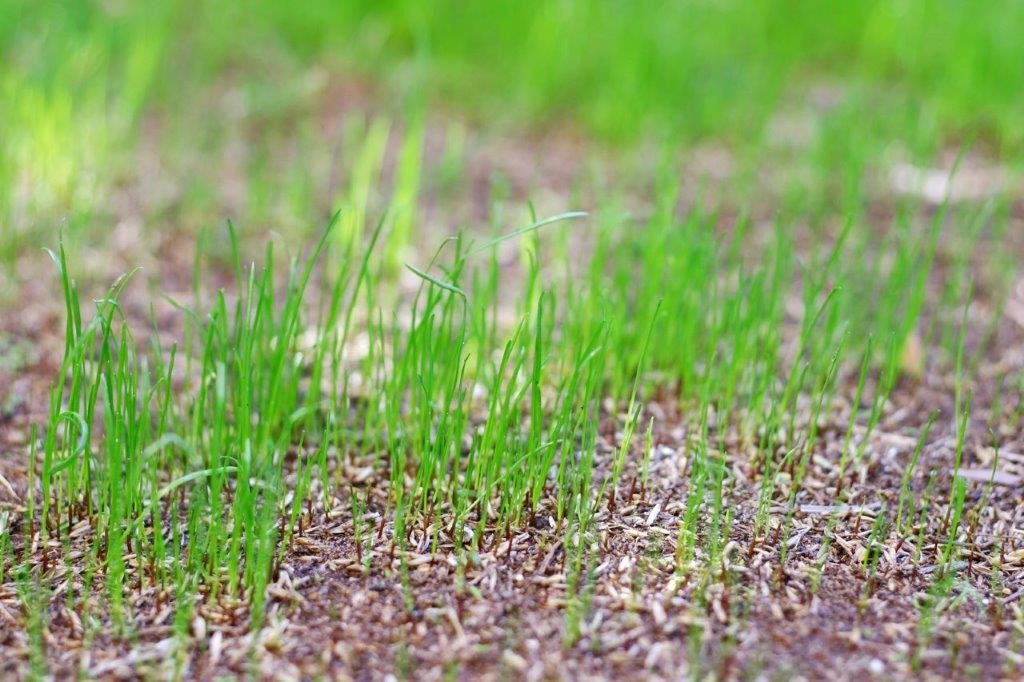
One of the most notable advantages of seeding your lawn is its affordability upfront. Unlike instant turf, which involves purchasing pre-grown grass by the square metre, grass seed comes at a fraction of the cost. This significant price difference makes seeding an attractive option, especially for homeowners on a tight budget or those looking to cover larger areas without breaking the bank. Seed is typically less than 10% of the cost of instant turf. Expect to pay around $20-30 for enough to cover 25 square metres. To do the same area in roll-out turf will cost $250-$350, depending on the variety.
Hidden Costs to Budget For That Aren't on the Seed Packet
That $20-30 covers the seed itself, but it's not quite the full grass seed vs instant turf cost picture. Budget for a starter fertiliser at the time of sowing, and factor in the possibility of a follow-up over-sow at around the six-week mark if germination comes up patchy in places. These are both small extra costs on top of the initial lawn seed cost per square metre.
Seed is also more exposed to loss than turf: birds can eat a portion of the seed before it germinates, and a heavy rain event in the first couple of weeks can wash uncovered seed into low spots, leaving bare patches that need re-sowing.
This does not change the fact that seed can remain considerably cheaper than turf overall but allowing some additional budget for fertiliser and possible re-seeding gives a more realistic picture of the total establishment cost. And even accounting for these extras, seed still comes out well ahead on cost once you factor in the labour savings below.
Reduced Labor Expenses:
Establishing a lawn with seed typically requires less labour compared to rolling out instant turf, translating to additional cost savings. While rolling out turf involves heavy lifting and precise installation, seeding is a simpler process that can often be done with basic tools like a rake and a broadcast spreader. Additionally, seeding allows for more flexible scheduling, enabling homeowners to tackle the project at their own pace and potentially save on labour costs associated with hiring professionals.
Long-Term Savings:
While seeding may require more patience initially as you wait for grass to establish, it can offer long-term savings compared to turf. Seeded lawns tend to develop stronger root systems over time, resulting in better water and nutrient absorption and increased drought resistance. As a result, seeded lawns typically require less water, fertiliser, and maintenance in the long run, translating to ongoing savings on water bills and lawn care expenses.
Flexibility for DIY Enthusiasts:
For homeowners who enjoy getting their hands dirty, seeding offers the perfect opportunity for a DIY lawn project that won’t break the bank. With readily available resources and step-by-step guides, seeding your lawn can be a rewarding and cost-effective endeavour. By taking the DIY approach, you can not only save on labour costs but also gain valuable skills and knowledge about lawn care and maintenance.
Environmental Friendliness:
For eco-conscious homeowners, seeding a lawn aligns well with sustainable landscaping practices. Unlike turfing, which requires the removal of existing lawn and soil disturbance, seeding can minimise disruption to the environment. It provides greater control over the establishment process, allowing you to address specific areas or issues more effectively. Whether you’re overseeding to fill in sparse areas or starting from scratch, seeding gives you the flexibility to tailor your approach based on your lawn’s unique needs. You can adjust seeding rates, choose specialised seed blends, and implement targeted maintenance practices to achieve the desired results.
If time isn’t a problem and you don’t mind putting in some extra effort, give seeds a go. You might be surprised by how effective it is. There is a small window to sow now, up until the beginning of April, or alternatively, start planning now to be ready to so sow in Spring.
The Trade-Offs: What You Give Up with Seed
With the cost side of the equation covered, it's worth being upfront about what you give up by choosing seed over turf. Bare soil is more vulnerable to weed competition and erosion until the new grass has established a root system, so you'll likely need to manage weeds more actively in the first few months than you would with instant turf.
Seed also demands more consistent attention day-to-day: it needs light, frequent watering to germinate, and missing even a few days in the first couple of weeks can set growth back or lead to patchy results - a very different commitment to turf, which forgives an occasional missed watering once established.
If you need a lawn that's usable straight away, or you're working with a sloped or erosion-prone site, instant turf's higher upfront cost may be worth it for the lower risk. But if none of that applies to you, the trade-off comes down to time and a bit of extra effort in exchange for a significantly lower price.
If you want some tips on how to go about it, click here to watch our DIY seed-sowing video, and as always, if you have any questions, email us at info@paulmunnsinstantlawn.com.au
Frequently Asked Questions
How long does it take for grass seed to fully establish?
Establishment time varies depending on the grass variety, soil temperature, weather and watering. Some lawn seed can begin germinating within a few weeks, but developing a fully established lawn will take longer. Always follow the recommendations for the particular seed variety you're planting.
Is grass seed cheaper than turf once you include ongoing maintenance?
Seed generally has a lower upfront establishment cost than instant turf, although you'll also need to allow for watering, fertiliser and possible follow-up seeding while the lawn establishes. Ongoing maintenance costs will depend more on the grass variety, growing conditions and how the lawn is maintained than whether it was originally established from seed or turf.
Can I mix grass seed and instant turf in the same lawn project?
It's possible - for example, using instant turf for high-visibility front areas and seed for larger, less prominent back sections to balance cost and instant impact. Just be aware that different establishment methods may result in slightly different colour or texture until the seeded area fully matures.
What's the best time of year to sow lawn seed in Adelaide?
The main sowing windows are Autumn (through to early April) and Spring, when soil temperatures are warm enough for germination, but conditions aren't as harsh as Summer. Sowing seed heading into Winter is generally not recommended, since cold soil significantly slows or halts germination.



