
How to control seed heads in lawn
Author: Stefan Palm Date Posted: 3 December 2025
Seed heads in Adelaide lawns are common in spring and summer. Learn what they are, why they appear, and how to reduce them in couch, kikuyu and buffalo lawns. Find out when to worry and how to fix prolonged seeding.
In Short
Seed heads in lawns are extremely common in late spring and early summer across Adelaide. They’re not weeds—they’re simply the flowers of your grass. In most cases they disappear on their own within a few weeks. When they linger, it usually means the lawn is under stress from water, nutrient or soil issues. You can mow them off on most lawn varieties, but couch behaves differently, as its seed stems often bend under the mower rather than being cut cleanly. If the problem continues and you can’t identify why, bring a core sample to us and we’ll help you diagnose the cause.
The three main lawns we'll deal with in this blog are couch, kikuyu and buffalo. These are the most common types of lawn in Adelaide and the ones you're most likely to see seed heads on. Following are some photos of each type so that you'll know what they look like:
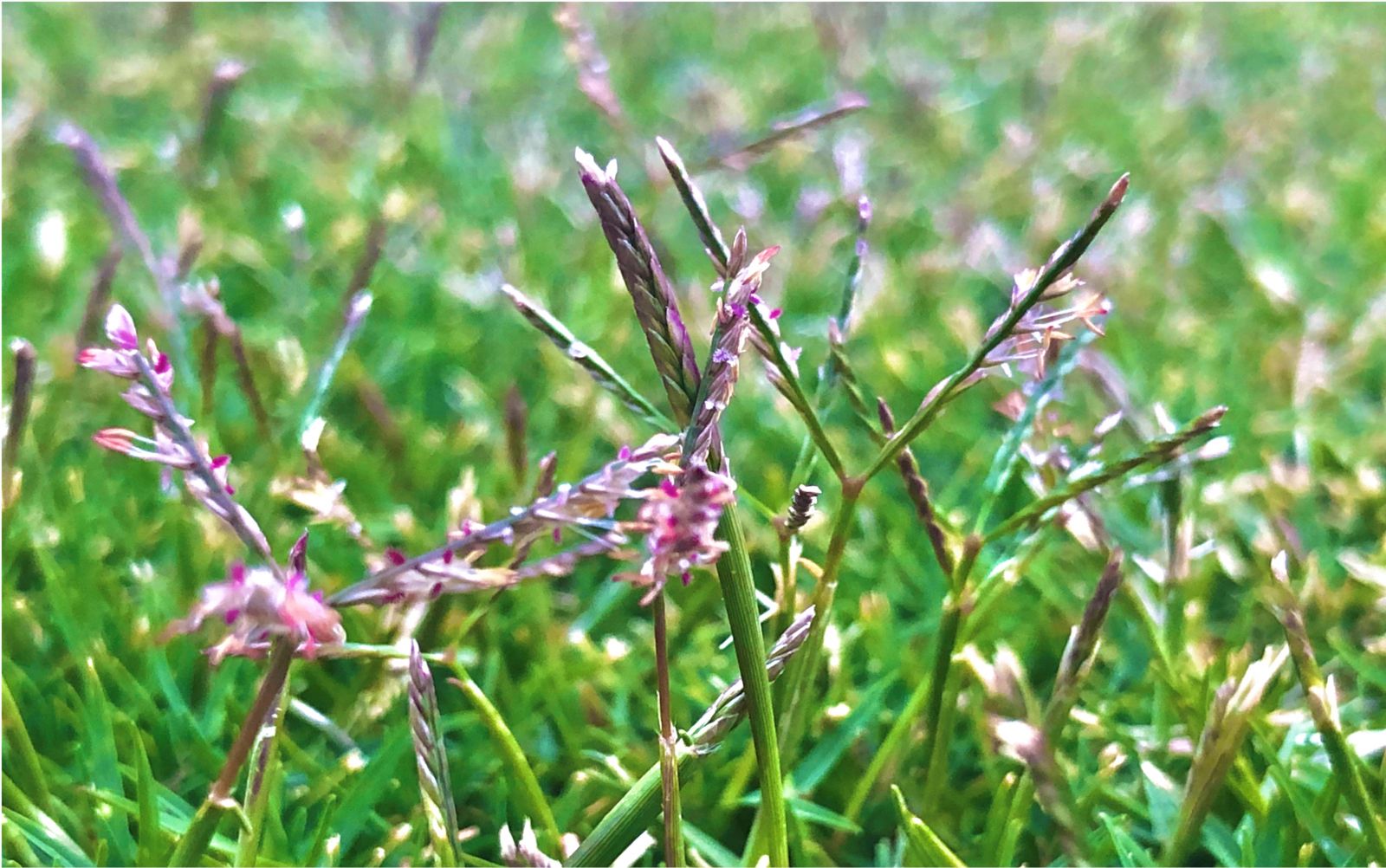
Above Photo: Couch seed heads - they resemble small antennas
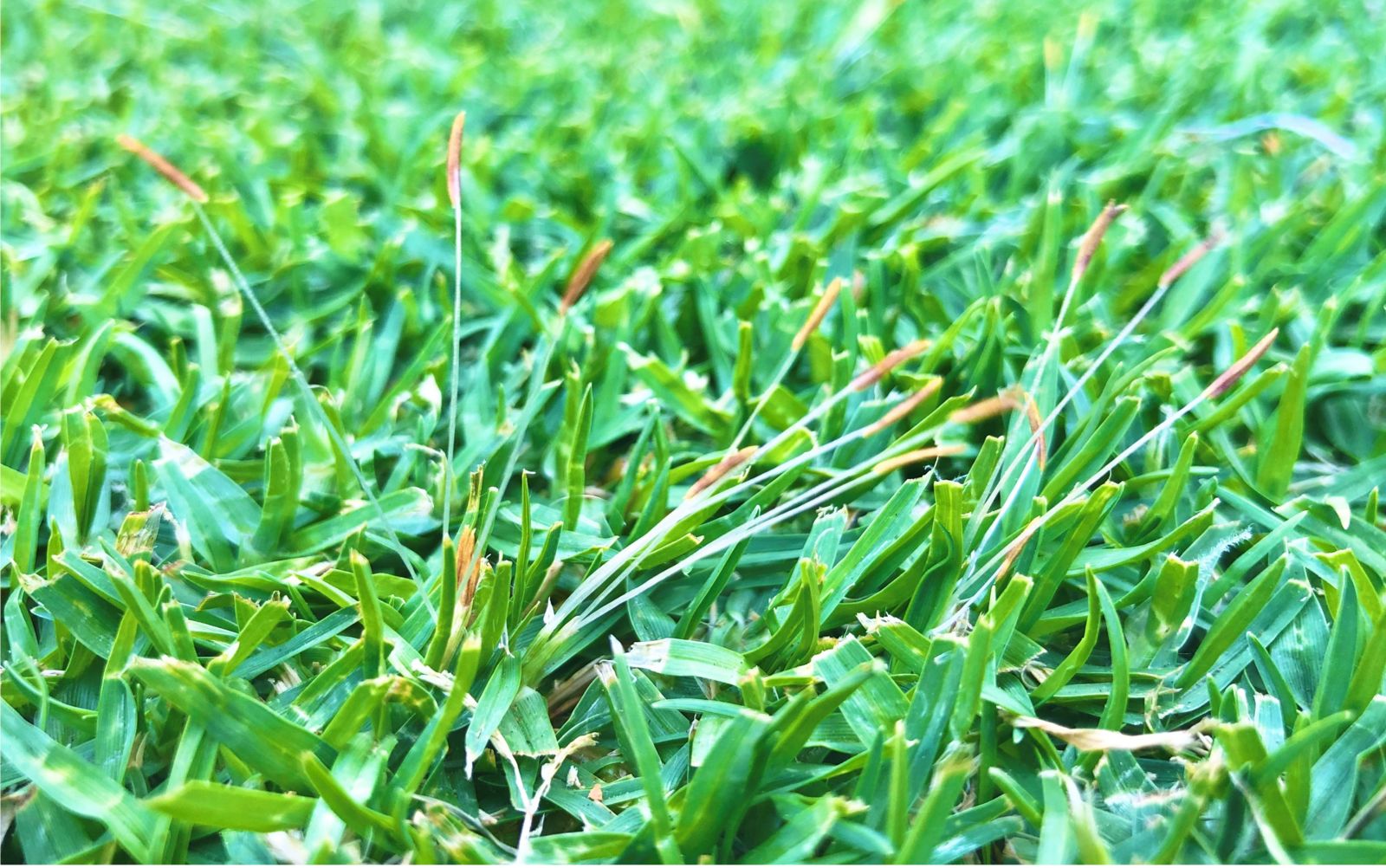
Above photo: Kikuyu seed heads -Resembles white strands of cotton
.jpg)
Above Photo: Buffalo seed heads- Short, hard stalks with exposed seeds
Understanding Seed Heads in Adelaide Lawns
At this time of year, lawns around Adelaide begin to flower as part of their normal growth cycle. Homeowners often notice pale, upright shoots appearing through the lawn almost overnight. These can look unusual enough to be mistaken for weeds, but they’re simply the flowering structures of the grass.
Couch, kikuyu and soft-leaf buffalo are the most common warm-season grasses in South Australia, and each produces its own distinctive type of seed head. Couch forms thin, upright stems that can create a light, hazy look across the lawn when they appear in large numbers. Kikuyu produces thicker, more noticeable white seed stalks that rise above the canopy and can reappear within a day or two after mowing. Buffalo forms flatter, broader seed structures that can feel firm or prickly underfoot when they’re abundant.
Why Lawns Produce Seed Heads
Flowering is a natural part of a lawn’s lifecycle, particularly during seasonal transitions. Most warm-season grasses respond to late spring and early summer conditions by producing seed heads for a short period before returning to regular vegetative growth. When seeding goes on for much longer than normal, it’s often a sign of stress. Lawns may respond to inconsistent watering, low nutrients, compacted soil, shallow roots, or pH imbalance by moving into a reproductive mode. Prolonged seeding is simply the lawn’s attempt to ensure its survival if conditions deteriorate further.
How to Reduce or Get Rid of Seed Heads
Mowing is the quickest way to improve the appearance of a lawn with seed heads, but its effectiveness varies depending on the variety. Buffalo and kikuyu respond well to mowing because their seed stems are firm enough to be cut cleanly. You’ll still find that seed heads return quickly, but mowing will remove them and tidy the lawn’s appearance in the short term.
Couch behaves differently. Its seed stems are thin and flexible, so rather than being cut by the blades, they tend to fold over and spring back up once the mower passes over them. This means mowing alone often won’t noticeably reduce couch seed heads. Fortunately, couch usually seeds for a relatively short period when it’s responding to seasonal conditions, and once the lawn returns to normal growth, the seed stems disappear on their own.
If seeding is prolonged—regardless of the variety—it’s important to look at the overall health of the lawn. Consistent watering, particularly during warmer weather, helps stabilise growth. Feeding the lawn with a high-quality, nitrogen-rich fertiliser often shifts it back into leafy growth rather than reproductive growth and can reduce seed production within a week or two. Soil issues such as compaction, hydrophobicity or pH imbalance may also be contributing, and these can usually be corrected once identified.
When you can’t pinpoint the cause, it’s helpful to take a small core sample containing soil, roots and turf and bring it to us. By checking the root structure, soil texture, moisture level and general health of the sample, we can usually identify the underlying stress quickly and recommend a straightforward solution.
When Will Seed Heads Go Away?
In most Adelaide lawns, seasonal seed heads fade within two to four weeks. Stress-related seed heads continue until the cause is corrected. Once the lawn returns to healthy, even growth, the seed heads stop forming and the lawn regains its smooth, soft feel.
Right now, conditions are perfect for lawns to flower and seed, and we are seeing plenty of customers wondering what on earth these strange things are growing in their lawns. They are often mistaken for weeds, but in fact, they are the flowers and seeds of these lawns. Seed heads are very fast growing and often only take a day or two to grow back after mowing. They can be unsightly, especially when they are prolific, and in the case of soft-leaf buffalo, they can even make a lawn feel hard and prickly.
If you have any questions or need any help, send us an email at info@paulmunnsinstantlawn.com.au or phone on 8298 0555
Frequently Asked Questions
Will seed heads spread weeds?
No. Seed heads on couch, kikuyu and buffalo are part of the lawn itself, not weed growth.
Can my lawn spread via seed?
These varieties do produce seed, but they spread far more reliably through runners. Seed heads are mainly visual rather than functional in terms of lawn spread.
Are seed heads a sign my lawn is dying?
They are usually a sign of stress rather than decline. Once you correct the underlying issue, the lawn typically recovers well.
Should I fertilise when I see seed heads?
Often yes. Fertilising encourages the lawn to move out of reproductive mode and back into healthy leaf growth.
Does mowing shorter prevent seed heads?
No. Seed heads form from the lower part of the stem and will still appear regardless of mowing height. Couch seed heads in particular are difficult to remove by mowing because the stems bend under the blade.



